
Tag: Smart Training
-

The Long Ride Myth: Cost, Context, and Why Volume Isn’t the Same as Development
For as long as endurance sport has existed, athletes have been told that long rides are the foundation of fitness. Three, four, five hours at a time. Regularly. Religiously. The logic feels intuitive: more time must equal more endurance. But intuition isn’t physiology. And for trained athletes, that belief has quietly outlived its usefulness. The…
-

Beyond the Zone: Why “Perfect” Metrics Can Lead to Fragile Fitness
The Standard Model: Why We Use Zones Most training is built on Output Zones—calculated as a percentage of your FTP or Max Heart Rate (mine is 203 bpm). We use them because they provide a repeatable, objective language for intensity: • Zones 1-2: Aerobic foundation and recovery. • Zone 3: Tempo and steady-state work. •…
-
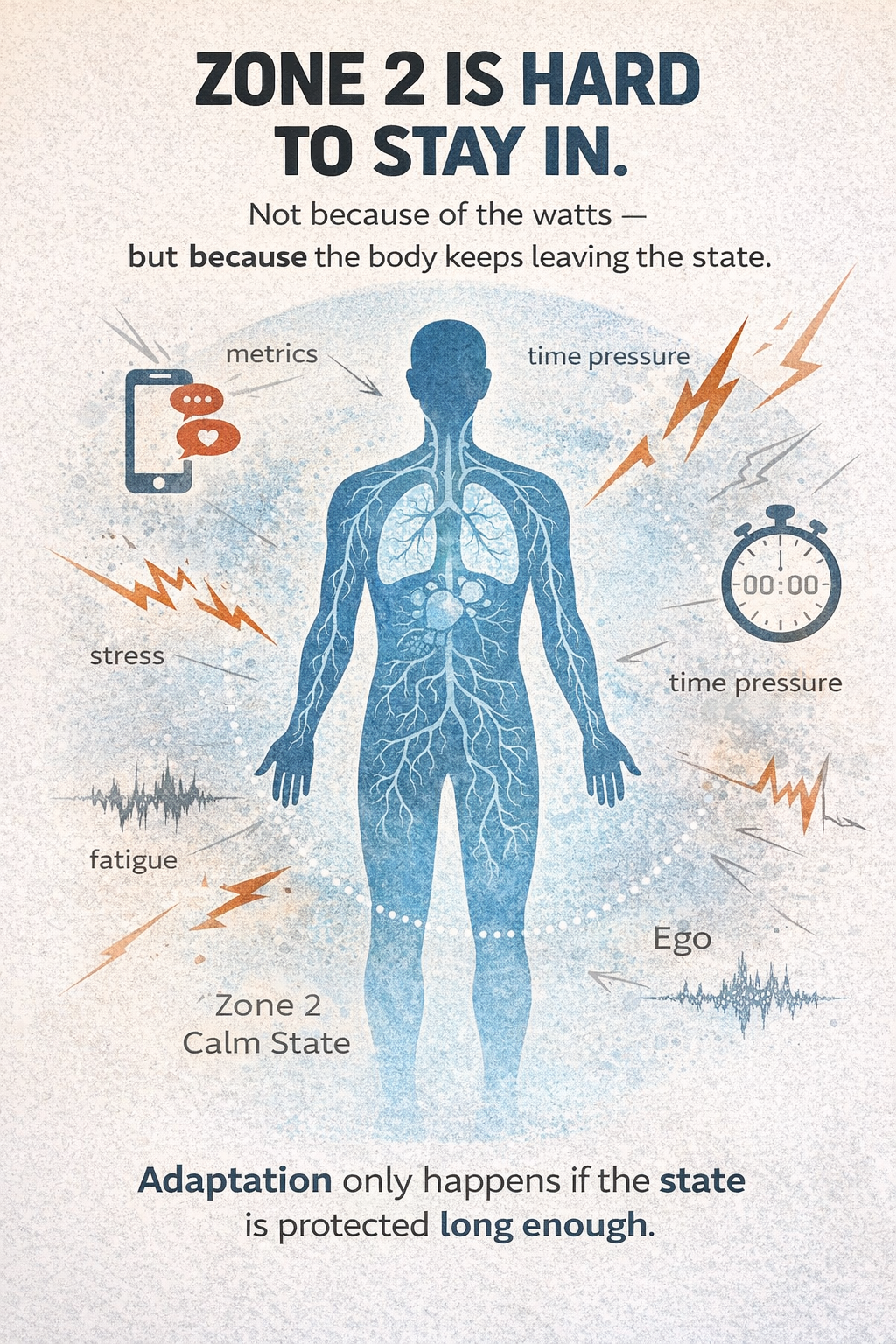
Zone 2 Is a Truce — The Physiology of Letting Adaptation
(Part 2 of “Zone 2 Isn’t a Number — It’s a State”) Fuel your next breakthrough. Don’t miss new insights, workouts, and the launch of SMART Cycling. If Part 1 established that Zone 2 is a metabolic environment governed by the parasympathetic nervous system, then Part 2 must answer the harder question: Why is it so…
-

Zone 2 Cycling Guide: Why It’s a State of Adaptation, Not Just a Percentage
What is the true purpose of Zone 2 training? “Zone 2 training is a metabolic state where the body builds aerobic capacity without triggering a stress response. Unlike percentages, true Zone 2 is defined by parasympathetic dominance, allowing for mitochondrial growth and better fat oxidation.” Lab Notes: Quick Summary • The Content: • Zone 2…
-
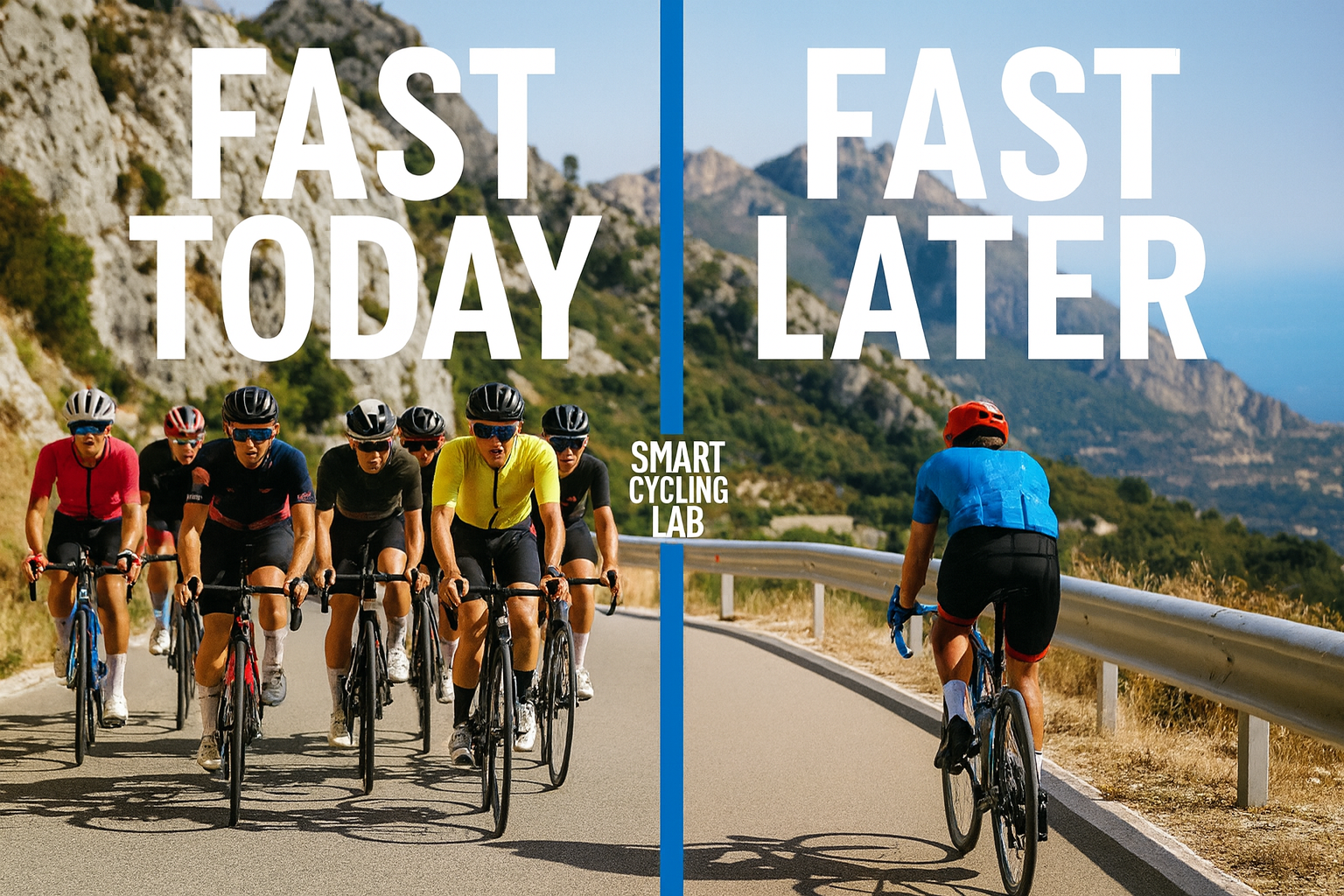
Fast Today vs Fast When It Matters
A Calpe Reality Check for Riders at Every Level If you want to understand how athletes really train, go to Calpe in November. The roads are full of every type of cyclist: It’s a living ecosystem of training philosophies — good, bad, and delusional. And here’s the truth I learned: Most riders swear they’re riding…
-

The Science of Steady
How Real Endurance Is Built — SMART Rider Series, Part 2 Last time, in Base: Where Slow Becomes Fast, we explored why patient base work builds the foundation for every season that follows. Now, in Part 2, we move beyond patience and into precision — the difference between logging hours and creating adaptation. Ride Slow…
-

BASE: Where Slow Becomes Fast
The Forgotten Art of Building the Engine — SMART Rider Edition Part 1 Most riders know how to train hard. Few know how to train smart when the season’s over. The base season — that quiet stretch between rest and rebuild — is where champions are made, even if nobody’s watching. It’s when the ambitious…
-

Why the Smartest Cyclists Rest When Everyone Else Trains
Every fall, the same conversation starts circling through group rides and coaching groups: “Don’t take too much time off.” Some programs even claim the off-season is where you “get ahead,” or that you can only afford one real break a year if you want to keep progressing. It sounds logical. It feels productive. But it’s…
-
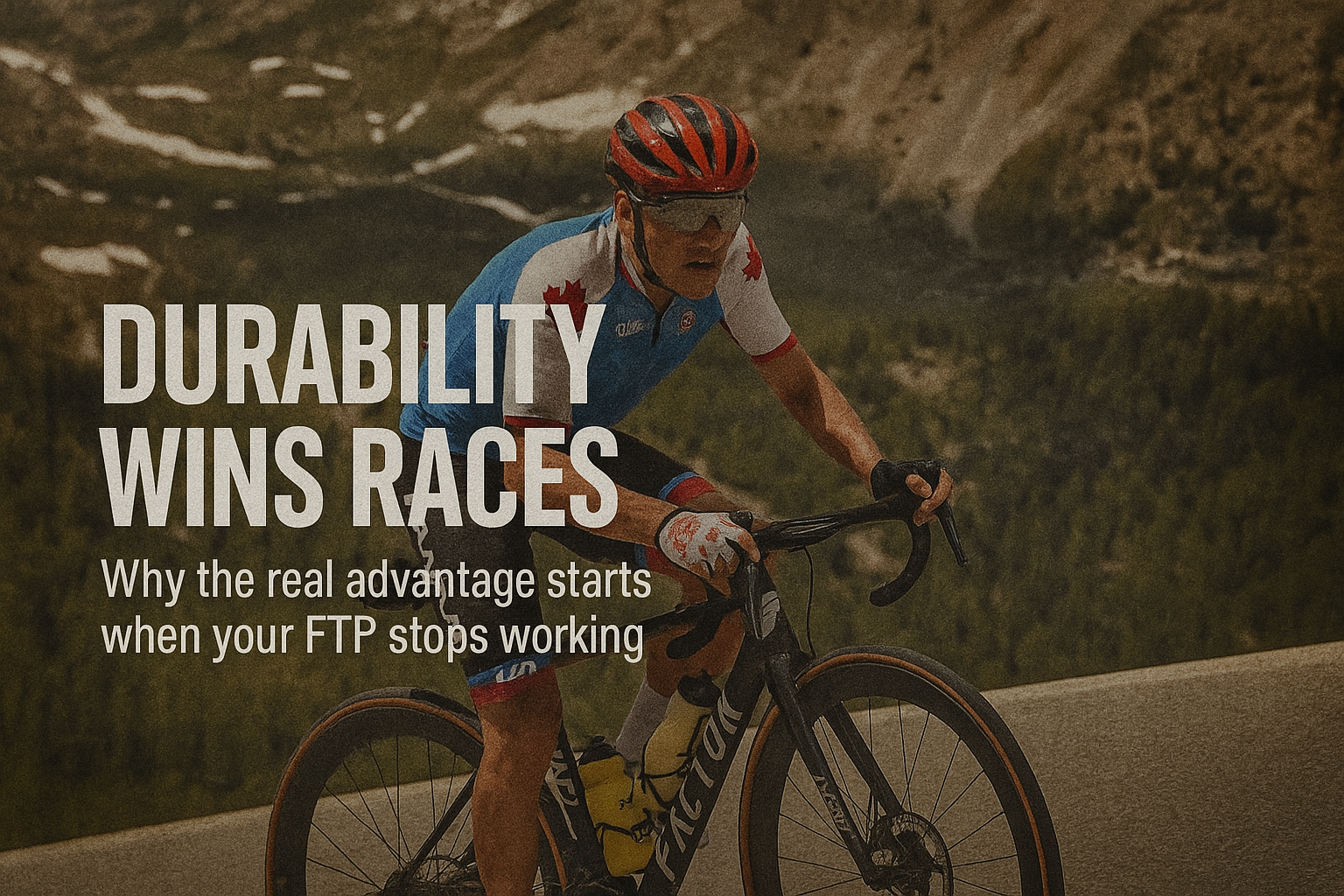
Durability Wins Races — The Untapped Power After FTP
Why the real advantage starts when your FTP stops working. The Race That Taught Me What Really Wins It was the final lap of the 2025 Canadian Masters National Road Race — an attritional day stacked with climbs, heat, and surges that felt more like trench warfare than sport. By the third hour, everyone was…
-
Building the Launch Pad: My System for 2026
From the Lab Series Recap In Part 1 — FTP Isn’t a Ceiling, It’s a Launch Pad, I challenged the idea that FTP is a finish line. It’s not a number to hold — it’s a system to launch from. That post reframed performance as metabolic integration: the ability to surge, clear, and sustain above…